The condition of the concrete and concealed damage
All about the Concrete
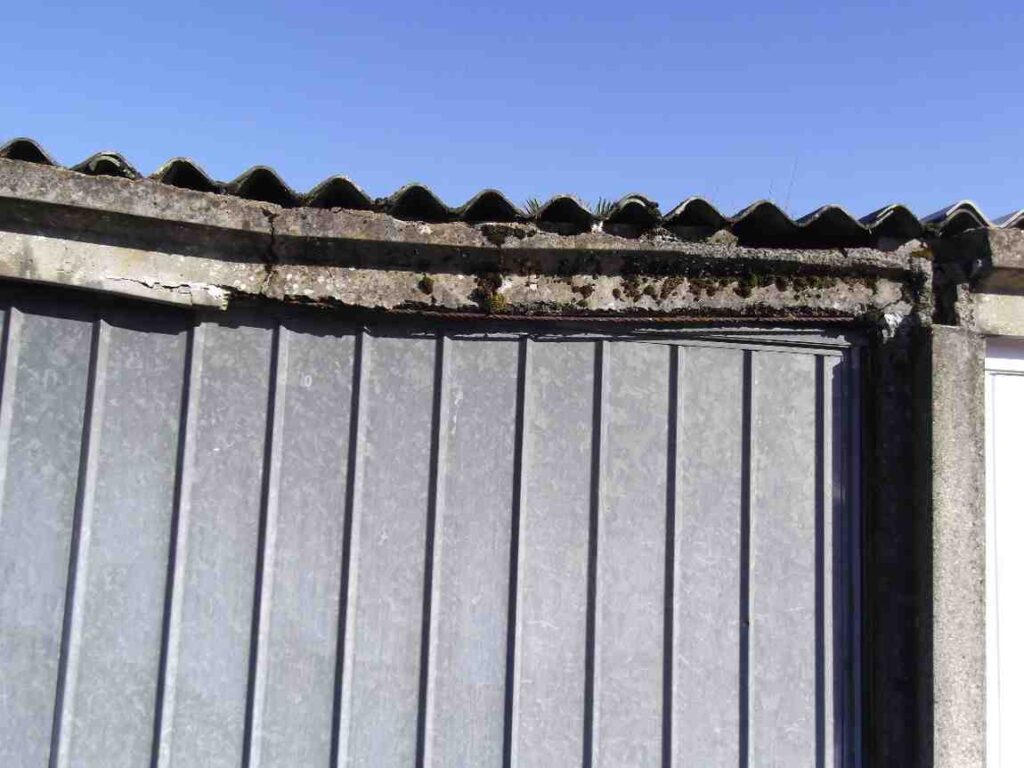
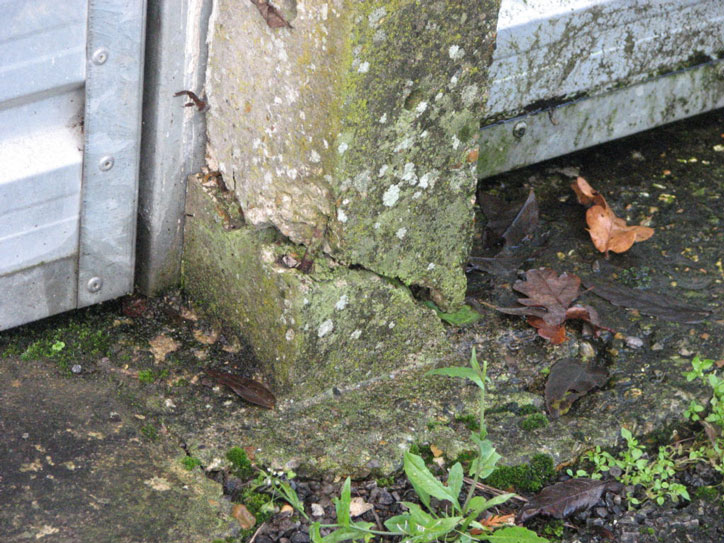
There are certain concrete parts of Concrete Battery/System Garages that start to deteriorate badly after 15-20 years and if left for 35-50 years can and do pose a health risk with the advent of falling concrete. However it is almost always the front post and lintels that are the problem. The main shell of the garage is usually re-useable and retaining it can save thousands of pounds for even a small block.
There is another issue here. Liability in the event of falling concrete sections injuring people. Cases of this nature have occurred and the Insurance Companies deny such claims pointing out that the building was not properly maintained. Thus the owner is liable for the Court award sometimes in six figures in cases brought by the HSE . We are advised that even if a management company looks after the garage for the owner the claim would still be against the owner, however the owner may then have a claim against the management company.
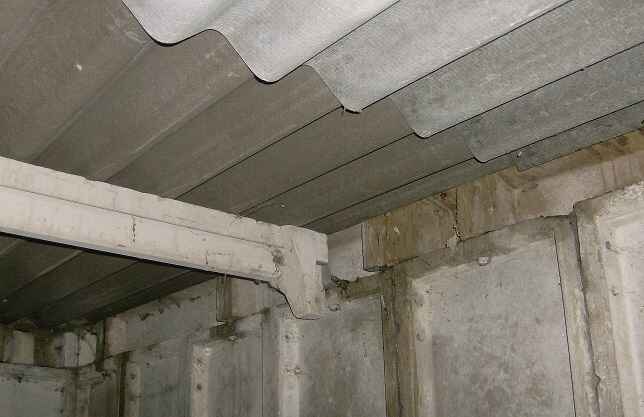
In the main the concrete panels that have not been subject to collision and/or have not been subject to spalling can be left in place for another 30-50 years. This saves removal and disposal costs which are continually rising. Retaining the existing panels is a much more “green” approach and although we loose business by suggesting that the original concrete be retained we do not want to make work that is not necessary. A site survey soon shows which concrete needs to be replaced and which doesn’t. Inside the garage the purlins may have hairline cracks and they do need to be replaced for reasons of safety.
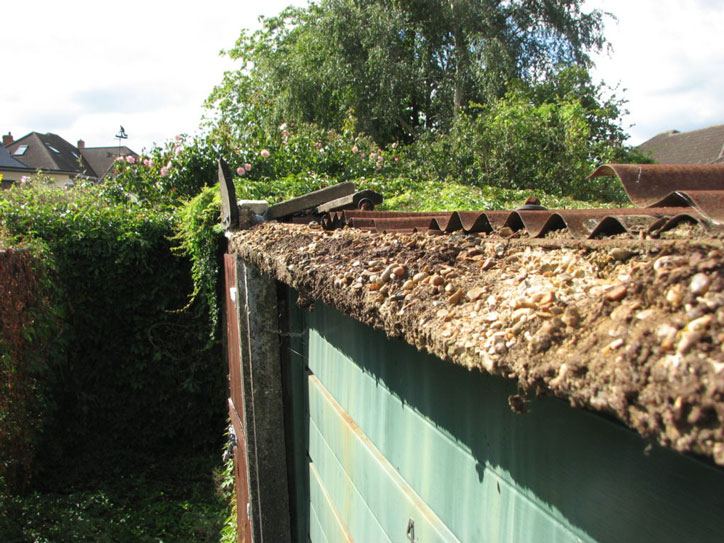
Here are some examples of concrete lintels and posts that are disintegrating:
Block Refurbishment
More problems with the concrete. With some Marley models there is a problem with the upstand at the top of the post/downpipe. This extension “blade” at the top of the post breaks off and falls. It weighs about 20lbs. If it fell it could injure anyone standing below it.
Place picture below here
With System B and several other now obsolete types there are other problems.
An additional problem here is the post width used by Marley (and others using the same concept) to accomodate their rainwater downpipe. This measures 235mm in width and frames the door. This concrete post not only reduces the Wing Mirror Clearance (WMC) but splits or spalls as shown. This is a result of water freezing in the blocked downpipes.
Wih a roller shutter door the post/downpipe is the same thickness as the garage dividing wall only the roller shutter door guides protrude into the WMC thus increasing the WMC to 2294mm. Therefore the extra WMC obtained over the original Marley door is 2294-2179=115mm (nearly 5 inches) and over a Hormann door 2294-2024=270mm (over 10 inches).
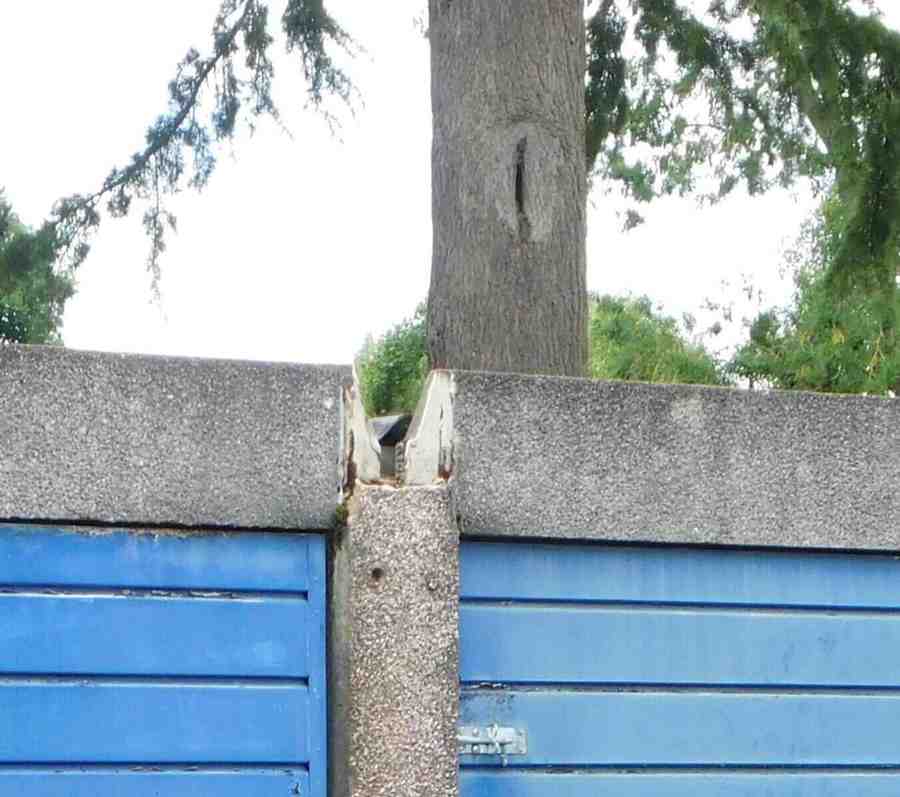
With System B and several other now obsolete types there are other problems.
An additional problem here is the post width used by Marley (and others using the same concept) to accomodate their rainwater downpipe. This measures 235mm in width and frames the door. This concrete post not only reduces the Wing Mirror Clearance (WMC) but splits or spalls zing shown. This is a result of water freezing in the blocked downpipes.
Wih a roller shutter door the post/downpipe is the same thickness as the garage dividing wall only the roller shutter door guides protrude into the WMC thus increasing the WMC to 2294mm. Therefore the extra WMC obtained over the original Marley door is 2294-2179=115mm (nearly 5 inches) and over a Hormann door 2294-2024=270mm (over 10 inches).
With all types – Purlin failure.
Inside the garage there are more hazards, in particular cracking purlins that support the roof. They start as hairline cracks, often resembling cobwebs. However if they are cracks then they do need to be replaced, and soon, and no one should go on the roof in the meantime, even with planks